
Energy Availability: The Secret Weapon of Athletic Performance?
When nutrition becomes a lever for performance
In the world of endurance sports, we often talk about training, planning, technique… but what about nutrition? The Upika podcast recently hosted David Jeker for an enlightening discussion on energy availability , a concept that is still little known but fundamental for all athletes, amateur or elite.
The main idea? Eating enough doesn't just mean avoiding injuries or deficiencies. It also means performing better . And that's precisely what this geek corner helps us understand.
The metabolism test: how much are we really burning?
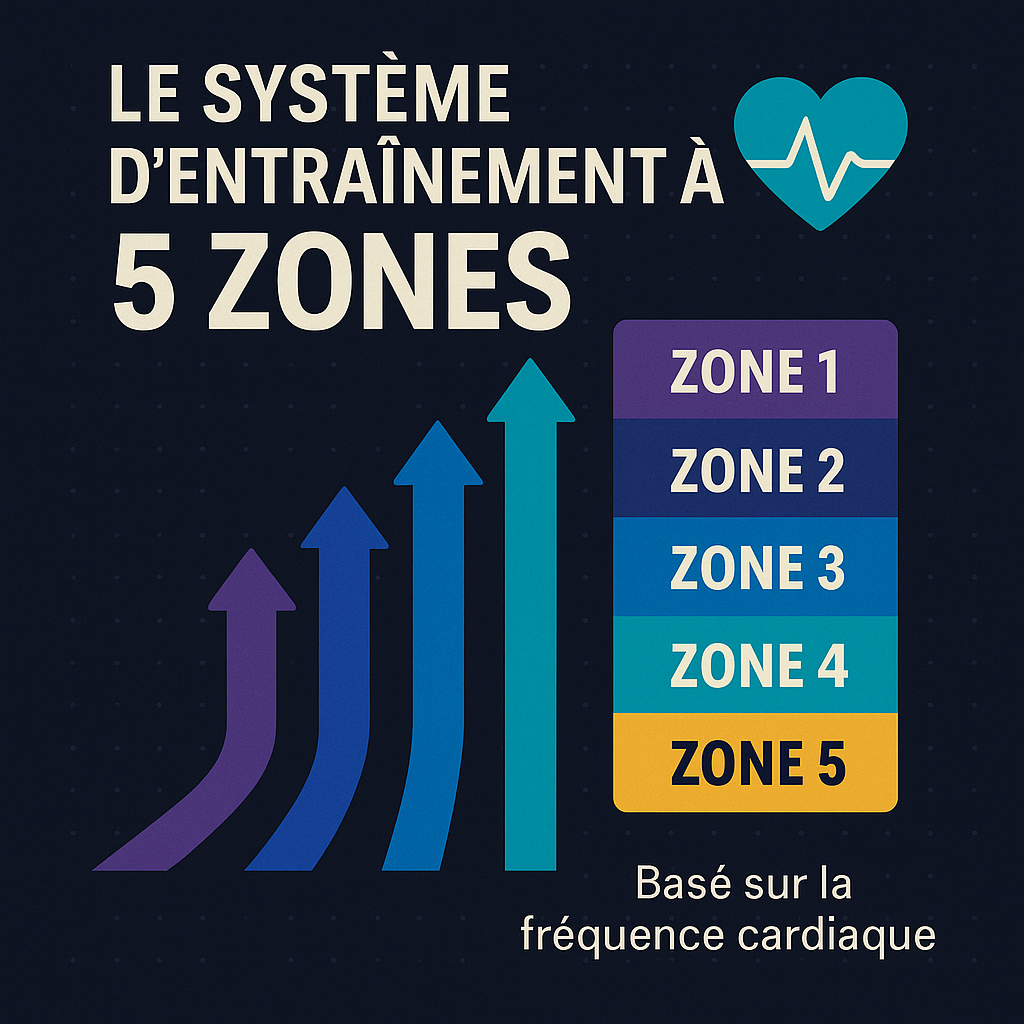
The episode begins with a metabolic test performed on PH, the podcast host. The goal: to determine how many carbohydrates are burned running for one hour in zone 3 (the beginning to middle of this intensity zone). The result? 231 grams of carbohydrates burned in one hour. That's more than a 2-liter bottle of Coca-Cola, or about 900 calories. A striking comparison that illustrates just how much the energy required for exercise is underestimated.
This test not only allowed us to calculate calorie expenditure, but also sparked a broader discussion about what this implies for training, recovery, and overall metabolic health.
The difference between “enough” and “optimal”
Many athletes believe that avoiding injuries is a good indicator of proper nutrition. This is a mistake. As David Jeker points out, there's a world of difference between "not being in a deficit" and optimizing recovery, training adaptation, and ultimately, performance.
The key concept here is that of energy availability , which is calculated as follows:
Energy intake – energy expenditure related to exercise = energy available for vital functions
Below 30 calories per kilogram of lean mass per day, you fall into a risk zone (RED-S – Relative Energy Deficiency in Sport). The optimal level? Around 45 kcal/kg.
Eat better to perform better
David, like many, once believed that lighter meant faster. But his best half-marathon time was achieved at 70 kg, not at his lowest weight of 67 kg. A crucial realization: performance weight isn't necessarily the lowest. It often reflects a stable and well-nourished energy state.
David also shares that many athletes are in a “grey zone” — they eat enough to avoid injuries, but not enough to maximize their potential. An invisible but very real underperformance.
Common mistakes in food timing
Another crucial point is the distribution of energy intake throughout the day. Even if you eat enough overall , prolonged periods without intake (for example, running on an empty stomach in the morning) can cause damaging metabolic dips.
Studies show that these temporary energy deficits during the day can slow down the resting metabolic rate, even if the athlete reaches 30 kcal/kg over 24 hours. It is therefore essential to fuel the body regularly to avoid these dips, particularly around training sessions.
Carbohydrates: unjustly demonized enemies
Another myth debunked in this podcast: the fear of carbohydrates. Too often associated with weight gain, they are actually the primary fuel for endurance sports. We learn, among other things, that it's better to be on a calorie-restricted diet with plenty of carbohydrates than to be well-nourished on a strict keto diet. This is demonstrated by a study conducted on Olympic race walkers: those on a keto diet showed more concerning health markers than those on a calorie-restricted diet but high in carbohydrates.
The example of cycling: watts, not weight
The conversation then turns to cycling. Through concrete calculations, two athletes are compared: one weighing 60 kg and producing 300 watts, and the other weighing 80 kg and producing 360 watts. At first glance, the lighter cyclist seems superior with 5 W/kg compared to 4.5 for the heavier one. But according to new performance equations (particularly for climbing and flat terrain), the heavier cyclist could actually be more efficient on flat ground.
Moral of the story: it's better to gain watts than to lose weight.
The daily life of professionals: it's all about consistency
The best examples sometimes come from the pros: Tadej Pogačar, for instance, maintains his training weight year-round. No drastic weight loss before the Tour de France, just optimized energy intake to maintain his power, endurance, and recovery. This dietary consistency reflects a better understanding of the link between energy consumption and performance.
How do we apply all of this?
So, what can we do in practice? Here are some suggestions from the podcast:
- Calculate your lean mass (body weight – fat mass) to estimate your minimum and optimal needs.
- Tracking your calorie intake for a week : not to restrict, but to assess whether you are eating enough.
- Prioritize carbohydrates around workouts: throughout the day, in snacks, during exercise.
- Divide your intake : avoid long periods without food, especially before/after exercise.
- Use practical products like Upika Endurance to avoid deficiencies during exertion.
- Consider consulting a nutritionist for personalized and long-term support.
Last word: being “OK” is not enough
As David Jeker so aptly puts it at the end of the episode: just because you don't have a problem doesn't mean you're performing optimally . Feeling "normal" often means having become accustomed to a suboptimal state. And it's this fascinating discussion that sheds light on truths that are often ignored.
Conclusion: For all sports geeks, this conversation is a goldmine. It challenges deeply ingrained beliefs and offers a more scientific, nuanced, and above all, more effective view of sports nutrition.
Remember: performance isn't just about training. It starts on your plate.